
Table of Contents
As mothers, we wear many hats. Between caring for our homes, tending to our families, and managing countless daily responsibilities, it can feel easier—and faster—to just do things for our children. Yet one of the greatest gifts we can give them is the ability to do things for themselves.
Fostering independence does not mean pushing children before they are ready or stepping away from our role as guides. Rather, it means slowly and thoughtfully helping them develop confidence, responsibility, and trust in their own abilities—within the values and structure of our homes.
Why Independence Matters
When children learn to do things on their own, they gain more than skills. They develop:
- A sense of competence and self-worth
- Emotional resilience
- The ability to problem-solve
- Trust in themselves and in the adults guiding them
Independence helps children feel capable and grounded, which often leads to calmer behavior and fewer power struggles.
Start Small (Very Small!)
Independence grows best in manageable steps. Choose tasks that match your child’s age and abilities.
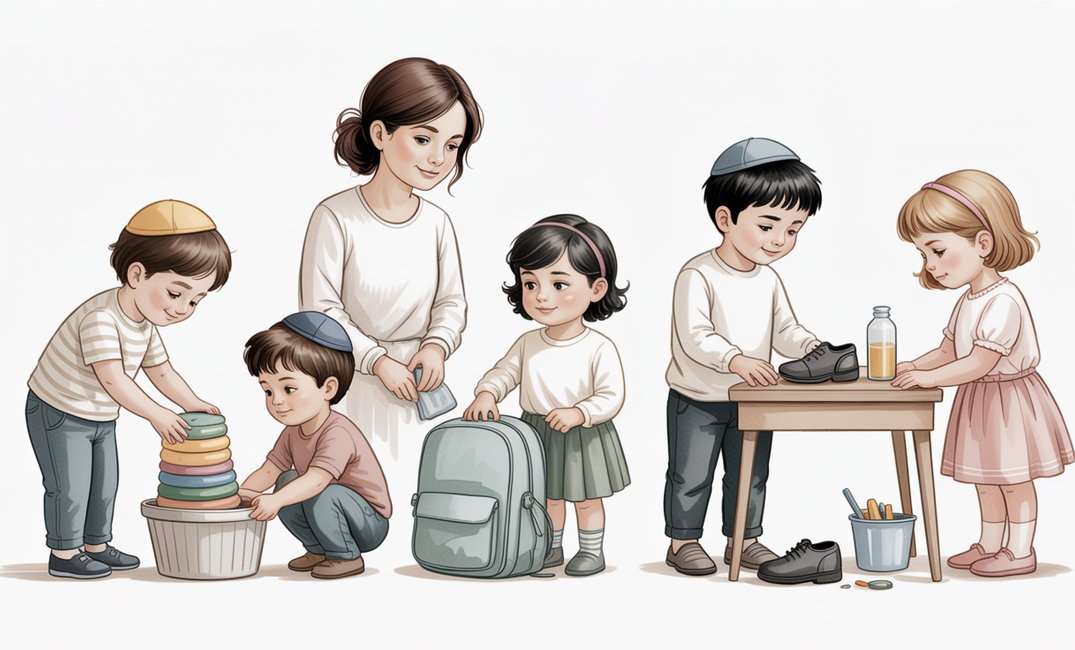
For younger children, this might look like:
- Putting toys back in a bin
- Carrying their own school bag
- Choosing between two appropriate outfits
For older children:
- Making their own breakfast or lunch (with guidance)
- Managing homework time
- Helping with simple household tasks
Small successes build confidence—and confidence invites more independence.
Let It Be “Good Enough”
One of the biggest challenges for busy mothers is allowing tasks to be done imperfectly. The bed may not be neatly made, the shoes may be mismatched, or the sandwich may look a bit uneven—and that’s okay.
Resist the urge to redo their work. When children feel their efforts are valued, they are far more likely to try again next time.
Offer Structure, Not Control
Children thrive when expectations are clear. Simple routines help them know what is expected and allow them to take ownership.
For example:
- A consistent morning checklist
- A set after-school routine
- Clear responsibilities tied to age
Structure creates safety, and safety makes independence possible.
Encourage Effort Over Results
Instead of focusing on outcomes, highlight effort:
- “You worked hard on that.”
- “You figured it out on your own.”
- “I can see you’re learning.”
This teaches children that growth matters more than perfection and helps them feel secure trying new things.
Make Space for Mistakes
Mistakes are not failures—they are part of learning. When we respond calmly to errors, children learn resilience and accountability rather than fear.
A gentle response teaches: “You are capable, even when things don’t go perfectly.”
Remember: You’re Doing Enough
Independence is not built in a day, and it doesn’t require elaborate systems or extra time. Even small shifts—pausing before stepping in, allowing a child to try, or offering encouragement—can make a meaningful difference.
By fostering independence, we are preparing our children not just to manage tasks, but to grow into capable, confident individuals who feel supported and trusted.
And that, in itself, is a powerful form of parenting.